
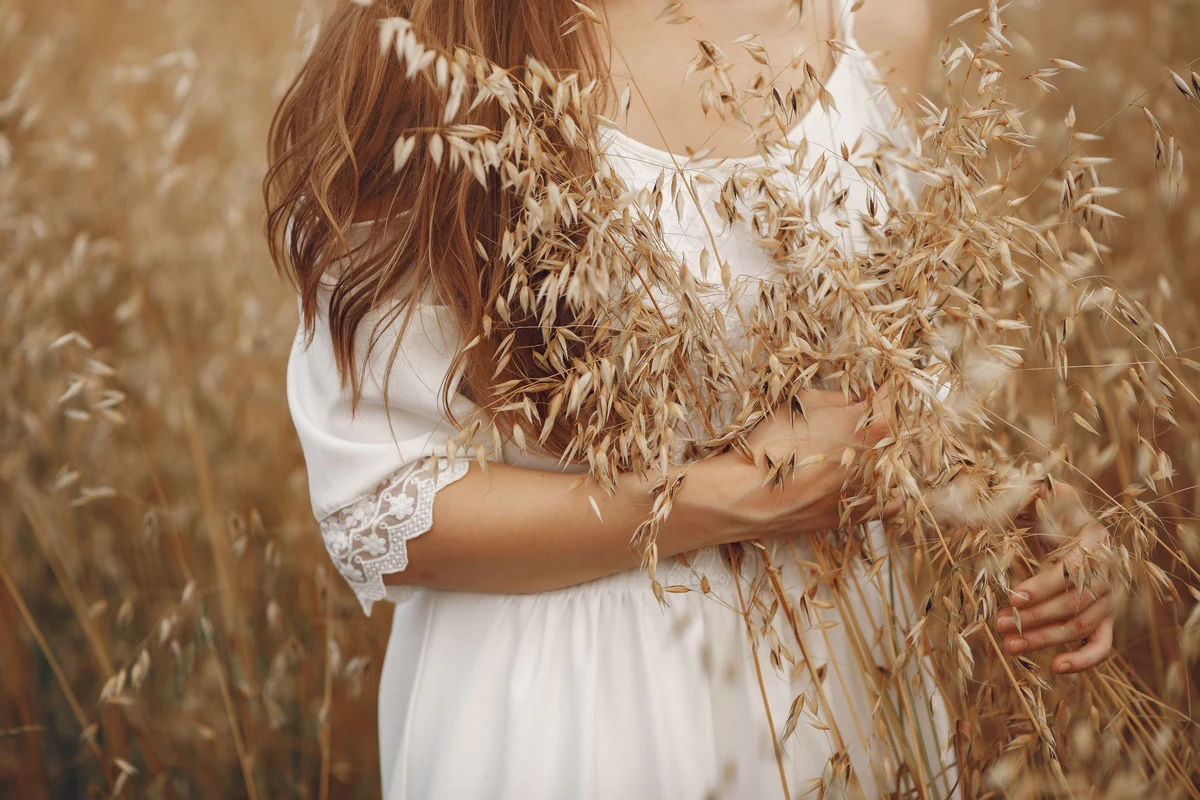
Lammas (Lughnasadh): The First Harvest Sabbat
(From a Goblin Who Has Never Grown Anything and Refuses to Start)
Bramble here. Lammas — or Lughnasadh, if you’re feeling proper about it — falls on the 1st of August each year, and it’s the first of the three harvest sabbats on the Wheel of the Year. Everyone remembers Samhain. Everyone remembers Yule. Nobody remembers Lammas, sandwiched quietly between Beltane’s fire and Mabon’s big autumn moment. Underrated. A bit like me.
“Everyone remembers Samhain and Yule. Nobody remembers Lammas. Underrated. A bit like me.” — Bramble
What Even Is Lughnasadh?
Lughnasadh takes its name from the Irish god Lugh — a deity of skill, craft, and, depending which myth you read, a genuinely excessive number of talents. The festival is traditionally said to have been founded by Lugh in honour of his foster mother, Tailtiu, who died of exhaustion after clearing the plains of Ireland for agriculture. Underneath the bread and the bonfires, there’s a real story here about labour, sacrifice, and the price the land extracts before it gives anything back.
What makes Lammas interesting as a sabbat is that it isn’t really about the harvest being finished — it’s about the harvest starting, and that distinction changes the whole tone of the festival. This isn’t a triumphant “we made it” celebration like Mabon further down the wheel. It’s the first cautious cut of grain, the first test of whether a year’s work is going to pay off, with two more harvest sabbats still to come before anyone can relax properly.
Lammas, the more commonly used English name today, comes from the Old English “hlaf-mas” — literally “loaf mass” — referring to the tradition of baking bread from the first cut grain and bringing it to be blessed. Same sabbat, two names, one very committed loaf of bread.
What It Represents
- The first harvest — grain, wheat, the earliest fruits of the year’s labour
- Gratitude and reciprocity — giving something back for what you’ve received
- Skill and craft — Lugh’s domain, and a good sabbat for honouring your own trade or talent
- The turning point — summer’s peak has passed, and the nights are, almost imperceptibly, starting to lengthen
“The wheel doesn’t ask if you’re ready for the harvest. It just turns.” — Bramble
How People Mark It
Lammas rituals tend to be earthy and practical rather than dramatic, which honestly makes it one of the easier sabbats to actually do something about instead of just reading about it wistfully:
- Baking bread — from scratch if you’re keen, from a packet mix if you, like Bramble, have the patience of a caffeinated pixie
- Building a small altar with wheat sheaves, sunflowers, corn dollies, or anything gold and harvest-coloured
- Reflecting on what you’ve “grown” this year — projects, relationships, personal work — and what’s actually ready to be gathered in
- Giving something away, as a nod to reciprocity — food, time, a skill you have
- Lighting a candle at dusk to mark the sun’s slow retreat
Building a Lammas Altar
Keep it simple. You don’t need a full ritual kit to mark a harvest sabbat properly — you need intention and, ideally, snacks.
- Something gold or amber-toned — candles, cloth, dried wheat — to represent the harvest colours
- Something that represents a skill or craft you’re proud of, as a nod to Lugh’s domain
- Bread, obviously. This is non-negotiable. It is, quite literally, the point
- A pentacle altar tile to anchor the space, plus a couple of candles for the evening light
“You don’t need a full ritual kit for Lammas. You need intention, and ideally, snacks.” — Bramble
Colours & Correspondences
- Colours: gold, amber, burnt orange, deep red, wheat-brown
- Crystals: citrine, tiger’s eye, carnelian — stones tied to abundance and confidence
- Herbs: wheat, corn, sunflower, heather
- Symbols: sickles, corn dollies, bread, the sun beginning its descent
Common Mistakes People Make With Lammas
- Treating it like Mabon. Lammas is the first harvest, not the big one. Save the full “gratitude and abundance” energy for the autumn equinox — this sabbat is more about cautious optimism than triumph.
- Overcomplicating the ritual. This is one of the lowest-effort, highest-reward sabbats on the wheel. A loaf of bread and five minutes of reflection genuinely covers it.
- Skipping it because “Lammas” sounds like a park. It does. Ignore that. It’s also one of the oldest agricultural festivals in the British Isles.
- Forgetting the reciprocity angle. This sabbat isn’t just about receiving — traditionally it’s about giving something back too. Don’t let that half slide.
Frequently Asked Questions
Is Lammas the same as Lughnasadh?
Yes. Lughnasadh is the older Gaelic name, tied to the god Lugh. Lammas is the Old English “loaf mass” name that became more common over time. Both refer to the same 1st August sabbat.
Why does Lammas get overlooked?
Mostly timing and branding. It sits between two much showier sabbats (Beltane and Mabon), and the name itself is diluted by unrelated UK place names, which makes it harder to stumble across online.
Do I need to bake bread to celebrate properly?
No, but it’s the single most traditional and satisfying way to mark it. A shop-bought loaf blessed with a moment of gratitude counts. Bramble won’t judge. Bramble has judged far worse.
Bramble’s Final Verdict
Lammas doesn’t ask for fire-leaping or midnight vigils. It asks you to notice what’s actually ripened in your life this year, thank whatever needs thanking, and accept that the light is starting to lean the other way. It’s the sabbat equivalent of a deep breath before the next stretch of the year properly begins — and frankly, more sabbats could stand to be this low-maintenance.
Ready to build your altar properly?
— Bramble