
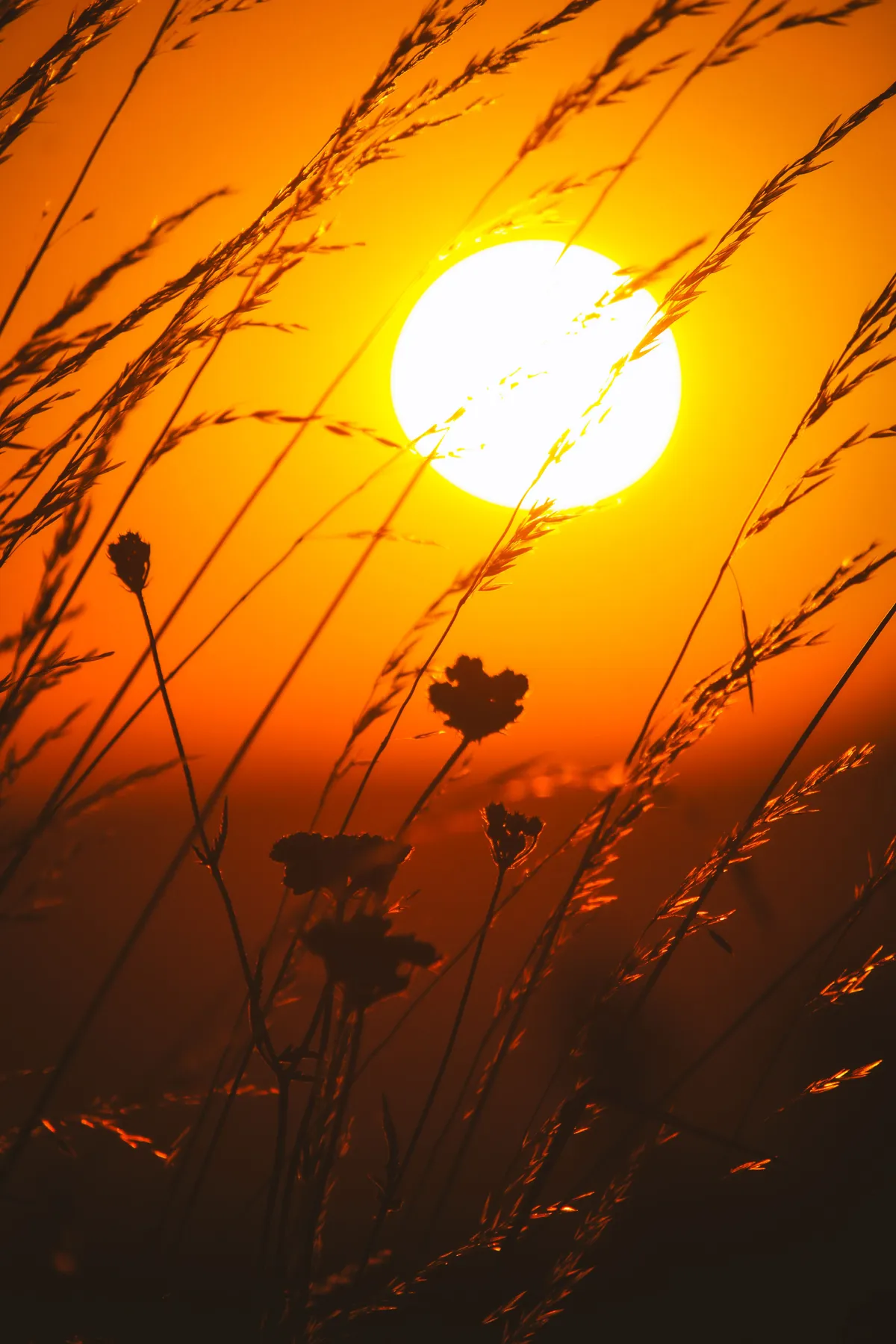
Litha: The Summer Solstice Sabbat
(From a Goblin Who Has Now Officially Covered the Entire Wheel)
Bramble here. Litha falls at the Summer Solstice, around the 20th to 22nd of June, and it marks the longest day and shortest night of the entire year. This is the sun at the absolute peak of its power — the exact opposite point on the wheel from Yule — and, somewhat fittingly, this is also the guide that completes the full set. Eight sabbats, eight guides, and I am, against my better judgement, mildly proud of myself.
“This is the sun at the absolute peak of its power. Also the guide that completes the full set. I am, against my better judgement, mildly proud of myself.” — Bramble
What Even Is Litha?
Litha marks the Summer Solstice, the point at which the sun reaches its highest position in the sky and daylight hours peak for the year. It sits directly opposite Yule on the Wheel — where Yule marked the sun’s symbolic rebirth at the year’s darkest point, Litha marks that same sun at the absolute height of its strength, before the balance begins tipping back toward darkness at Mabon.
The name itself has genuinely uncertain origins — some sources trace it to an Old English term for the month, others link it more loosely to general midsummer celebration. What’s clearer is the astronomical significance: this is the day the sun has the most influence of the entire year, and cultures across the world have marked it in some form for millennia, from Stonehenge’s solstice alignment to Scandinavian midsummer bonfires.
Unlike Ostara or Mabon’s balance, or Yule’s turning point, Litha is a sabbat of pure, unambiguous peak — nothing is turning yet, nothing is balancing. This is the sun simply at its most powerful, for one single day, before the long, slow decline back toward winter begins.
What It Represents
- Peak solar power — the sun at its strongest point of the entire year
- Abundance — the natural world at its fullest, most vibrant point before harvest begins
- Strength and vitality — a sabbat of confidence and fullness, rather than growth or balance
- The turning point ahead — even at its peak, Litha carries the quiet knowledge that the light will now begin to wane
“Litha is the sun simply at its most powerful, for one single day, before the long slow decline back toward winter begins. Deeply relatable structure for a Tuesday, honestly.” — Bramble
How People Mark It
Litha traditions lean into fire, sun-worship, and abundance — a genuine celebration of the year’s peak, similar in energy to Beltane but with its own distinct solar focus:
- Bonfires and outdoor fires — echoing the sun’s own fire, and historically central to midsummer celebration across many cultures
- Staying up to greet the sunrise — some traditions mark Litha by watching the sun rise on the longest day specifically
- Gathering herbs — midsummer has long been considered a particularly potent time for harvesting herbs at the peak of their strength
- Outdoor gatherings and feasting — celebrating the natural world at its fullest, most abundant point
- Sun-honouring rituals — acknowledging the sun’s strength directly, often outdoors and during daylight hours themselves
Building a Litha Altar
This is a sabbat that wants brightness, gold, and genuine abundance — don’t hold back on colour or light.
- Sunflowers or bright yellow blooms — genuinely central to Litha’s visual identity
- Gold and yellow candles — representing the sun at its peak strength
- Fresh herbs, gathered if possible, tying into the tradition of midsummer herb-harvesting
- Something reflective or sun-shaped — a small mirror, a sun symbol, anything that echoes the solar theme directly
- Fruit at its peak ripeness — a nod to the natural abundance this point in the year represents
“Litha wants brightness, gold, and genuine abundance. My aesthetic has been overruled twice now this year. I am keeping count.” — Bramble
Colours & Correspondences
- Colours: gold, bright yellow, orange, sky blue
- Crystals: citrine, sunstone, amber — stones tied directly to solar energy and vitality
- Herbs: St. John’s Wort, chamomile, lavender, sunflower
- Symbols: the sun at its peak, bonfires, oak trees, the colour gold
Common Mistakes People Make With Litha
- Confusing it with Beltane. Beltane is fertility and fire festival energy; Litha is a solar point marking the sun’s literal peak. Related in tone, but distinct in what they actually represent on the wheel.
- Overlooking the quiet turning point built into it. Even at its brightest, Litha marks the moment the year’s light begins its slow decline — it’s worth sitting with that duality rather than treating it as purely celebratory.
- Skipping outdoor elements entirely. This sabbat is genuinely built around sun and daylight — marking it entirely indoors misses a significant part of what makes it distinct from the darker sabbats.
- Treating it as a minor sabbat. As one of the four solar points, Litha carries real weight on the wheel — it’s not a lesser stop between Beltane and Lammas.
Frequently Asked Questions
Is Litha the same as Midsummer?
Yes — Litha and Midsummer are generally used interchangeably to refer to the Summer Solstice sabbat, though “Midsummer” is the more widely recognised term outside specifically Wiccan or Pagan circles.
Why is Litha considered the sun’s peak?
Because the Summer Solstice is the longest day of the year astronomically — the sun reaches its highest point in the sky and daylight hours are at their maximum before gradually shortening again toward Mabon and beyond.
Do I need to celebrate outdoors to mark Litha properly?
Not strictly, though it’s a sabbat that lends itself naturally to outdoor celebration given its solar focus. Even a candle lit with intention and a moment spent acknowledging the sun’s strength covers the core of what Litha represents.
Bramble’s Final Verdict
Litha is the Wheel at its brightest and most confident — the sun fully arrived, nothing left to prove, before the long turn back toward winter quietly begins. It’s a fitting place to end this particular project, even for someone who spends most of the year suspicious of anything this cheerful about the light.
“It’s a fitting place to end this particular project, even for someone who spends most of the year suspicious of anything this cheerful about the light.” — Bramble
— Bramble