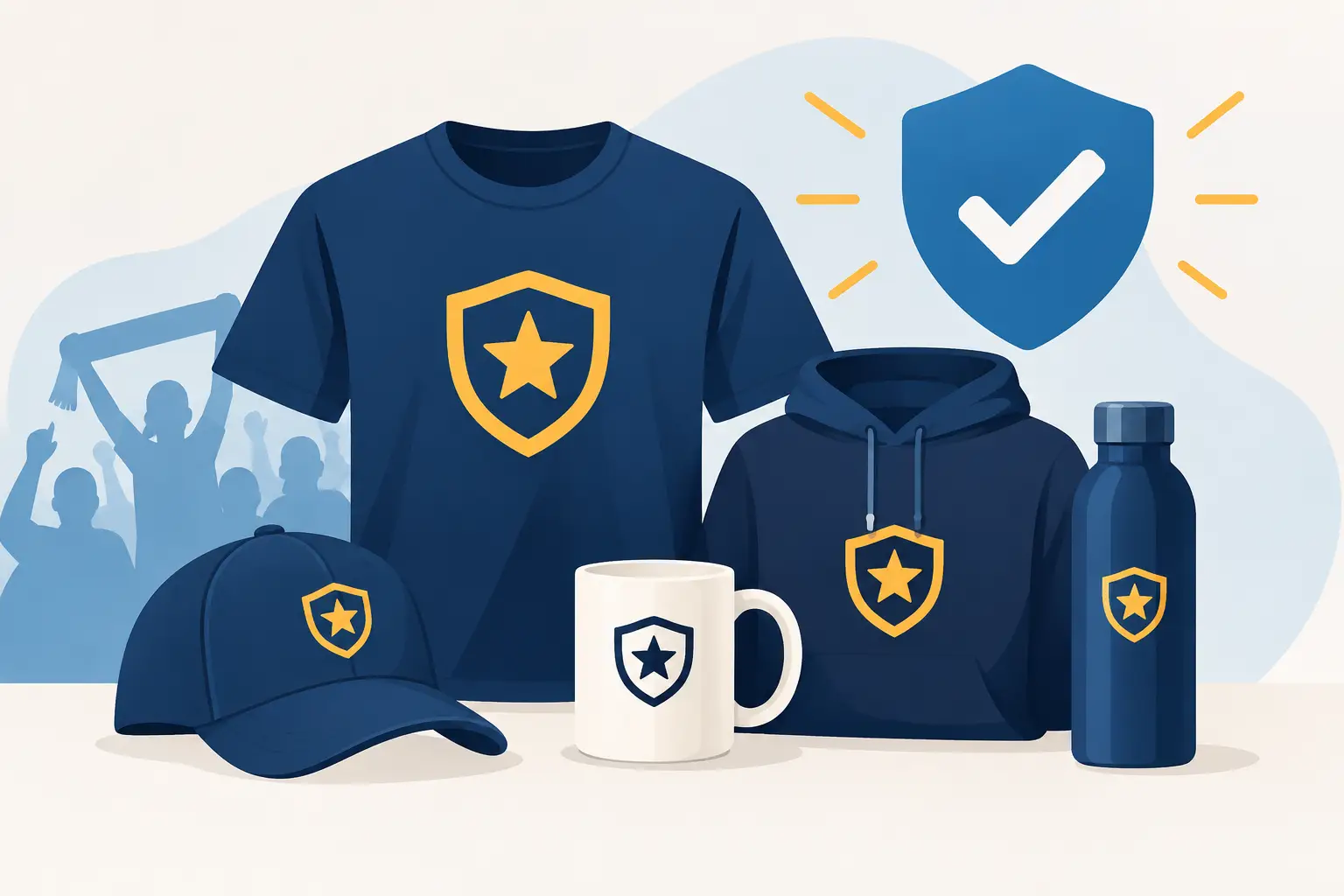
A suspiciously cheap ‘limited-edition’ hoodie. A character keyring with eyes pointing in separate directions. A listing that says ‘inspired by’ in lettering so tiny it needs a wizard’s monocle. These are the moments when shoppers start asking what makes merchandise official – and whether the thing in their basket is a proper fandom treasure or a cursed approximation.
Official merchandise is not simply an item with a recognisable logo slapped on it. It is a product made with permission from the people or company that own the intellectual property. That permission affects the design, the manufacturing, the packaging and, often, where and how the item can be sold. It is the difference between a Doctor Who accessory approved by the brand and a mysterious ‘Police Box Time Travel Phone Charm’ that definitely knows what it has done.
What makes merchandise official in the first place?
An official product is created under a licence. The owner of a film, game, band, anime, television show, sports team or character grants a manufacturer the right to use its protected name, imagery, logos or designs on specific products.
That agreement is usually rather precise. A licence may cover a certain territory, a particular time period and a defined product type. One company might be allowed to make backpacks, for example, while another can produce mugs or collectable figures. They cannot simply decide that a beloved character would look smashing on a toaster and begin production before breakfast.
The licence holder commonly approves designs before they are made. Depending on the brand, that can include artwork, colours, wording, materials, labels and packaging. Big fandoms tend to be particularly watchful because consistency matters. Fans notice when a crest is the wrong shade, a logo has been stretched into oblivion, or a character has acquired an expression last seen on a haunted potato.
Licensing supports the creators behind the fandom
Licensing is also a commercial arrangement. The manufacturer normally pays for the right to use the property, often through a fee, royalties or both. That means money flows back to the rights holder and helps support the franchise, artist, studio, publisher or band behind the thing you love.
It does not mean every official item is made directly by the original creator. Your favourite band may not personally stitch every patch, and a game studio is unlikely to hand-paint every dice tin. It means the product has been authorised through the proper route.
Official does not automatically mean perfect
Here is the goblin-sized grain of nuance: official merchandise is a claim about authorisation, not a magical guarantee that every product will suit every fan.
An officially licensed bag can still be too small for your daily hoard. An authorised T-shirt may have a fit you dislike. A collectable can arrive with a paint finish that does not make your little collector heart sing. Licensing gives you confidence that the imagery has been used legitimately and that a recognised supply chain stands behind it, but personal taste, materials and value still matter.
Equally, unofficial does not always mean rubbish. Independent artists make brilliant fan art, handmade jewellery and affectionate genre-inspired pieces. A hand-poured dragon candle or a witchy print can be thoughtfully made and utterly charming without being an official franchise product. The key is honest labelling. It should not pretend to be licensed when it is not.
If you want something character-specific, logo-led or designed as a collector’s piece from a particular world, official licensing is usually the safer bet. If you want an original object that matches your gothic library, tabletop altar or necromancer-core desk situation, an independent design may be exactly the right sort of oddity.
How to spot officially licensed merchandise
The easiest clue is clear product information. Reputable listings often name the licence or brand and may identify the manufacturer. Packaging can include copyright notices, trademark symbols, a barcode, branded tags and wording such as ‘officially licensed product’.
That said, one logo is not a spell of authenticity. Counterfeiters can copy labels, too. Look at the whole picture: the seller, the price, the photos, the product description and the quality of the branding.
A trustworthy retailer tends to use consistent product names, proper specifications and real photographs or approved supplier imagery. They also make it clear who they are, how returns work and how to get help if something goes wrong. A listing made entirely of blurry pictures, copied text and capital letters screaming BARGAIN may be asking for suspicion rather than applause.
Warning signs worth taking seriously
A very low price is not automatic proof of a fake. Sales happen, discontinued lines happen and occasionally a retailer simply wants an item gone from the stockroom before it breeds. But a supposedly rare, high-demand collectable offered for a fraction of its normal price deserves a closer look.
Be cautious when a seller uses vague phrasing such as ‘style’, ‘type’, ‘inspired’ or ‘similar to’ while displaying a character’s exact image. Those phrases can be legitimate when an item is genuinely original and merely genre-adjacent. They become suspicious when the listing is obviously trying to sell a familiar franchise design without admitting it is unlicensed.
Other warning signs include inconsistent logos, misspelt character names, odd proportions in artwork, missing manufacturer details and delivery estimates that suggest the item may be coming from a mystery warehouse beyond the known realms. Reviews can help, especially if they include customer photos, but do not rely on star ratings alone. Read the details.
Official product versus authorised seller
These phrases are related, but they are not identical. An official product is licensed by the rights holder. An authorised seller is a retailer permitted to sell that product through legitimate supply channels.
A shop does not have to be the franchise owner to sell official merch. Specialist retailers often source licensed goods from approved distributors and brand partners. This is why a good fandom shop can stock accessories from major licensed makers alongside gifts from several different worlds, without each item being made by the shop itself.
For shoppers, that distinction matters most when there is a problem. Buying from an established UK retailer gives you clearer consumer protections, a proper returns process and a real business to contact. It also makes gifting less stressful. Nobody wants to present their mate with a highly questionable ‘official’ figure, then spend Boxing Day arguing with a faceless marketplace account called BargainKing_847.
Why packaging and provenance matter to collectors
For everyday use, you may care most about the item itself. For collectors, original packaging, tags and proof of purchase can matter a great deal. A boxed figure, a numbered release or a Loungefly-style accessory may hold more appeal when its branding and packaging are intact.
This does not mean you must preserve every cardboard sleeve as if it were an ancient relic. Open your things. Wear the shirt. Use the mug. Roll the dice. Joy is a respectable collecting strategy. But if you are buying a limited run, planning to display it, or choosing a gift for someone who knows every release number by heart, condition and provenance become more valuable.
Ask whether the product is described as new, whether the box condition is mentioned, and whether photographs show the exact item when wear may be relevant. A retailer should be upfront about damaged packaging or missing tags rather than hoping nobody notices.
Original creations deserve clear labels too
A goblin-run shop can sell both licensed fandom pieces and its own original creations without muddling the two. A 3D-printed dice tower, dragon fidget or display shelf may be an in-house design made for your gaming den, while a branded character bag is licensed merchandise. Both can be excellent. They simply belong to different branches of the treasure hoard.
Clear descriptions let you choose with confidence. An original dice accessory does not need a franchise logo to be useful, dramatic or gift-worthy. In fact, original pieces often shine because they suit a wider range of tables, shelves and aesthetics. Meanwhile, officially licensed items deliver that specific, unmistakable connection to a world, character or band someone adores.
Buying official merch as a gift
When buying for another fan, specificity beats guesswork. Find out which version of the franchise they love, which character they claim is objectively the best, and whether they collect, wear or actually use their merch. A Dalek fan may not want a generic sci-fi gift. A tabletop player might treasure a dice organiser far more than another novelty mug.
Official merchandise is particularly useful when the recipient cares about authenticity, is building a collection or has a favourite property they return to again and again. It shows you noticed the details rather than grabbing the first black item with a bat on it. Though, to be fair, a good bat is rarely a bad choice.
The best fandom item is one you are pleased to keep, use or give without squinting at the label. Buy the licensed piece when you want the real-world stamp of approval; choose original work when its own strange little magic is the point. Either way, let the product description do the talking before your wallet starts making questionable life choices.