
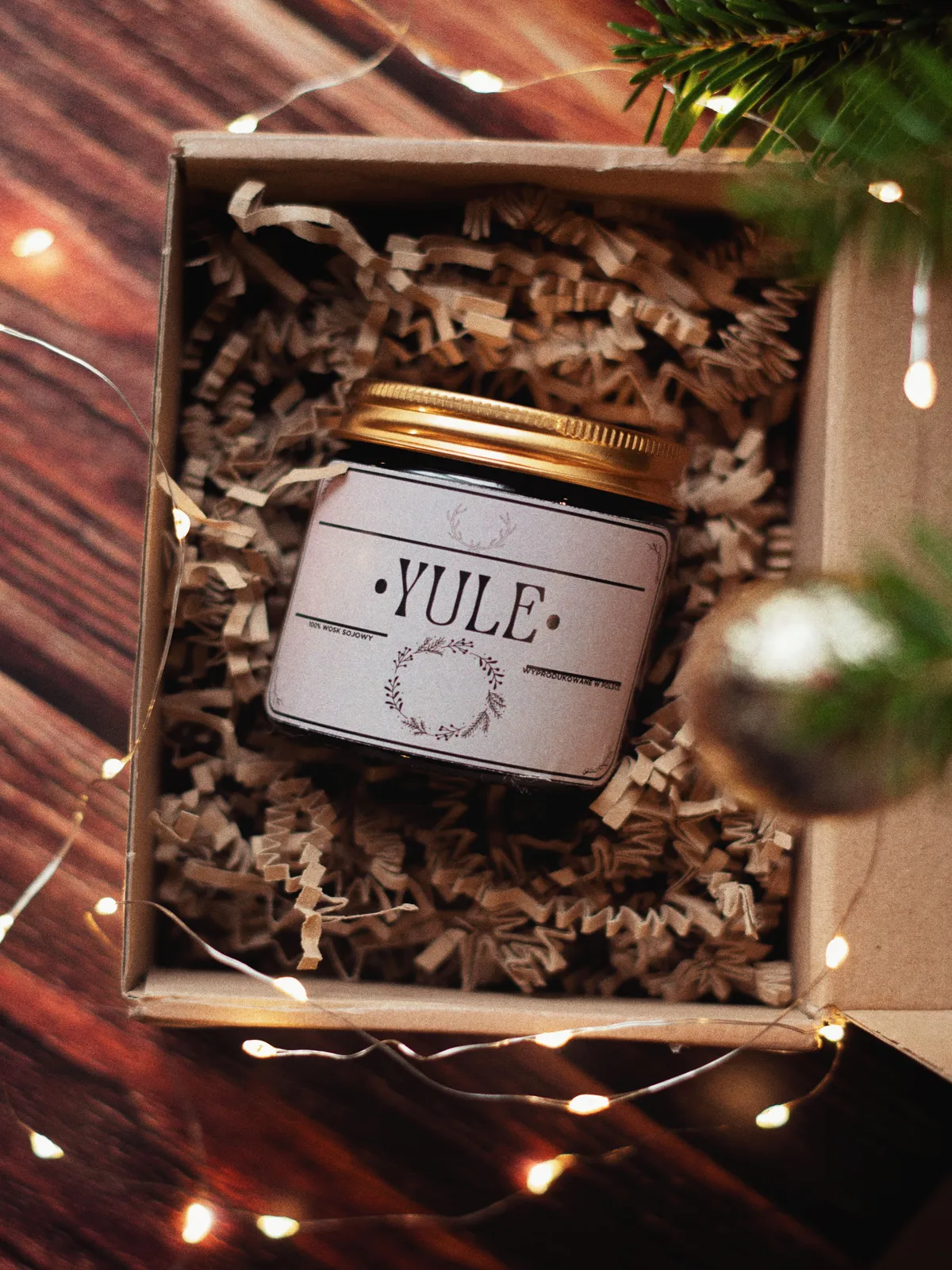
Yule: The Winter Solstice Sabbat
(From a Goblin Who Has Strong Opinions About the Word “Cosy”)
Bramble here. Yule falls at the Winter Solstice, around the 20th to 22nd of December, and it marks the longest night and shortest day of the entire year. This is the bottom of the wheel — the deepest point of darkness — and, somewhat counterintuitively, the sabbat where everyone gets suspiciously cheerful about it. I don’t fully trust anything that cheerful about the dark. I live in it most of the time and it has never once bought me a present.
“I don’t fully trust anything that cheerful about the dark. I live in it most of the time and it has never once bought me a present.” — Bramble
What Even Is Yule?
Yule is one of the oldest sabbats on the Wheel, with roots stretching back through Germanic and Norse midwinter traditions long before it was folded into modern Wiccan practice. At its core, it marks the astronomical Winter Solstice — the single longest night of the year, after which daylight very gradually, almost imperceptibly, begins to return.
That return of light is the entire emotional engine of the sabbat. Yule isn’t really about the darkness itself — it’s about the precise moment the darkness stops winning. The sun is often symbolically described as being “reborn” at Yule, and a huge amount of the imagery associated with the sabbat (evergreens, candles, fire, gold) exists specifically to represent light persisting and returning even at the year’s darkest point.
If you’ve ever wondered why so much modern Christmas imagery feels suspiciously Pagan underneath the surface — evergreen trees, wreaths, Yule logs, mistletoe, feasting in the depths of winter — that’s not a coincidence. Much of it descends directly from older midwinter solstice traditions that predate the holiday layered on top of them.
What It Represents
- Rebirth of the sun — the turning point where light begins its slow return
- Rest and stillness — the deepest, quietest point of the wheel, before the year begins actively moving again
- Hope in darkness — the reminder that even the longest night still ends
- Family and hearth — a gathering-in sabbat, traditionally centred around home, warmth, and community
“Yule isn’t about the darkness. It’s about the exact moment the darkness stops winning. Deeply dramatic. I respect the commitment.” — Bramble
How People Mark It
Yule traditions lean heavily into warmth, light, and gathering — genuinely one of the cosiest sabbats to actually celebrate, whatever my personal reservations about that word:
- Burning a Yule log — traditionally oak or another hardwood, lit from a fragment of the previous year’s log if you kept one, burned to mark the sun’s return
- Decorating with evergreens — holly, ivy, pine, anything that stays green through the darkest months, symbolising life persisting through winter
- Feasting — a proper midwinter gathering meal, traditionally rich and warming
- Lighting candles at dusk — one for each hour of darkness, or simply enough to fill the space with light
- Setting intentions for the returning light — since the sun’s “rebirth” makes this a natural point for reflection on what you want to grow as daylight lengthens again
Building a Yule Altar
This is a genuinely beautiful sabbat to decorate for, leaning into deep winter richness rather than the harvest-gold of Mabon or the black of Samhain.
- Evergreen sprigs — holly, pine, ivy — free, seasonal, and instantly sets the tone
- Gold and red candles — representing the returning sun and the warmth of the hearth
- A small log or piece of oak, even symbolically, to represent the Yule log tradition
- Something reflective — a small mirror, gold ornaments, anything that catches and multiplies candlelight in a dark room
- Cinnamon, cloves, or orange — traditional midwinter scents that do a huge amount of atmospheric work for very little effort
“Cinnamon and orange do a huge amount of atmospheric work for very little effort. This is the sabbat equivalent of a cheat code.” — Bramble
Colours & Correspondences
- Colours: deep red, gold, forest green, white, silver
- Crystals: clear quartz, garnet, bloodstone — stones tied to light, vitality, and warmth
- Herbs: holly, mistletoe, cinnamon, cloves, pine
- Symbols: the sun, the Yule log, evergreens, candles, the stag
Common Mistakes People Make With Yule
- Treating it as identical to Christmas. There’s real overlap and shared ancestry, but Yule is its own sabbat with its own specific solstice-based meaning — it’s worth engaging with that directly rather than just doing Christmas with extra candles.
- Skipping the reflective stillness. It’s easy to get swept into feasting and decorating and miss the quieter, restful side of the sabbat, which is just as central to what Yule actually represents.
- Forgetting this is the darkest point, not the end of darkness. Light returns gradually after Yule, not immediately — the sabbat marks a turning point, not an instant transformation.
- Overloading on evergreens until the altar looks more like a garden centre. A little goes a long way. Curate, don’t hoard.
Frequently Asked Questions
Is Yule the same as Christmas?
No, though they share deep historical roots and considerable overlapping imagery. Yule is a Pagan sabbat tied specifically to the astronomical Winter Solstice, while Christmas is a distinct religious and cultural holiday that absorbed many older midwinter traditions over time.
Why is the sun described as being “reborn” at Yule?
Because the Winter Solstice is the shortest day of the year — after it, daylight hours very gradually start increasing again. Describing the sun as “reborn” is a symbolic way of marking that turning point.
Do I need a full feast to celebrate properly?
No — even lighting a few candles at dusk and taking a quiet moment to acknowledge the turning point covers the core of what Yule is about. The feast is traditional, not mandatory.
Bramble’s Final Verdict
Yule asks you to sit in the darkest, quietest point of the year and trust that the light is already, slowly, coming back — which is a genuinely lovely idea even from someone as professionally suspicious of optimism as I am. Light a candle, gather your people, and let the wheel do what it’s always done.
“Yule asks you to trust the light is already coming back. Lovely idea. Deeply annoying to a professional pessimist like myself.” — Bramble
— Bramble