
Paladin 5e: A Beginner’s Guide (From Someone Who Would Absolutely Never Be One)
Bramble here. Look, I’m a goblin. Paladins and I have a complicated history involving a smite, a burning sensation, and a promise never to return to that particular tavern. But credit where it’s due — Paladins are ridiculously strong, criminally fun to play, and if you’ve ever wanted to be the party’s walking disco ball of righteous fury, this is your class. Let’s get into it.
“Paladins and I have a complicated history involving a smite, a burning sensation, and a promise never to return to that particular tavern.” — Bramble
What Even Is a Paladin?
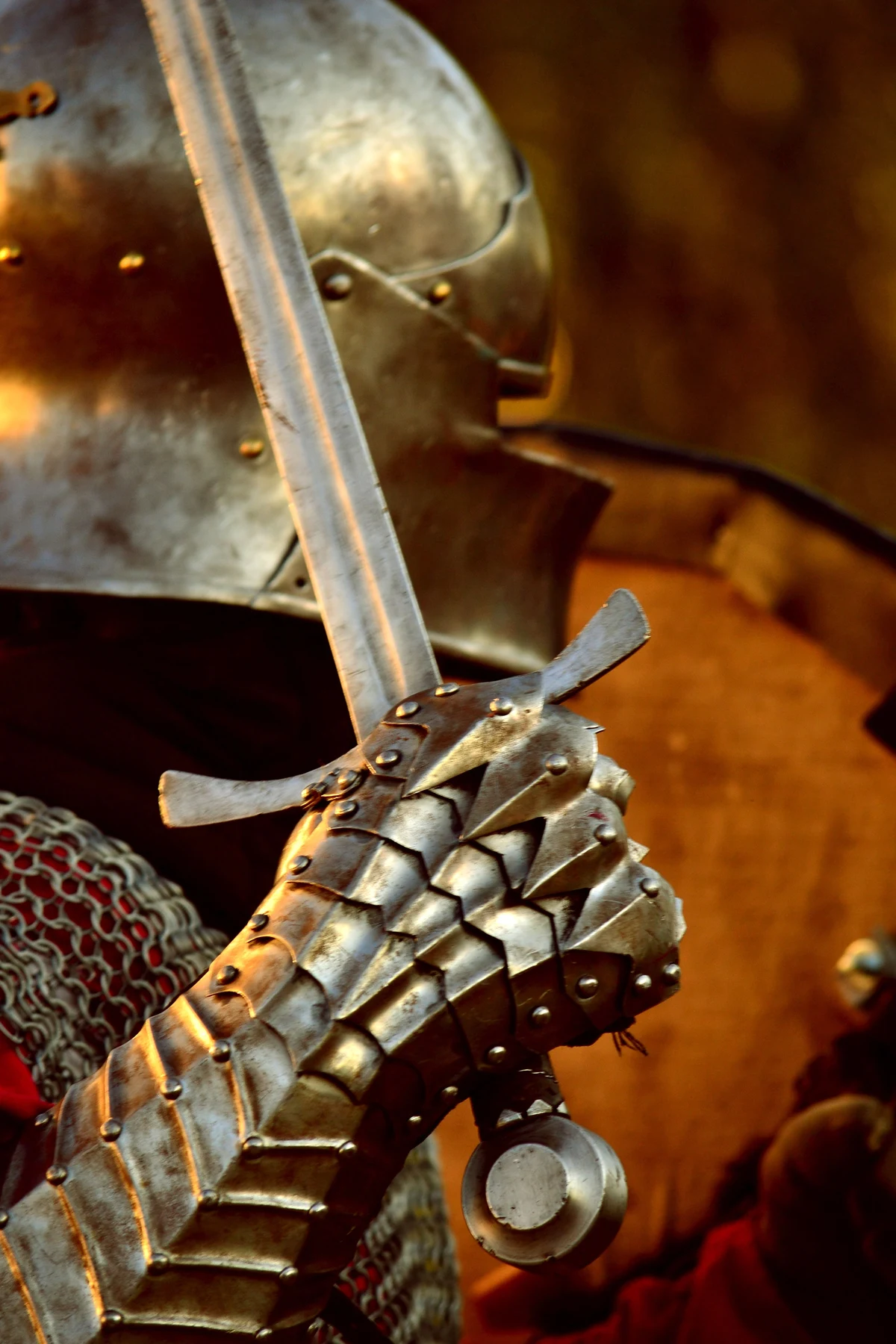
A Paladin is a holy warrior who swore an oath and now gets to hit things really hard while glowing. Think knight, but with a direct line to the divine and the emotional stability of someone who’s found their purpose (unlike me, who is still figuring out whether stealing is a lifestyle or a hobby).
You’re a half-caster — heavy armour, martial weapons, and just enough spellcasting to make things spicy. You hit like a Fighter, heal like a light Cleric, and when you land a Smite on a crit, the whole table goes quiet for a second out of respect.
What makes Paladins genuinely strong, mechanically, is their sheer flexibility. Unlike a pure martial class, you’ve got spell slots to burn — but instead of casting a fireball, you can dump those slots straight into weapon damage via Divine Smite whenever the moment calls for it. That means you’re never “wasting” resources; every spell slot is either a spell or a bigger hit, your choice, on the fly.
Choosing Your Oath
This is the big one. Your Oath defines your whole personality, so choose wisely (or chaotically — I don’t judge, I encourage):
- Oath of Devotion — the classic. Honesty, courage, compassion. Basically the Paladin your DM wishes every Paladin was. Mechanically strong thanks to Sacred Weapon and Turn the Unholy, both genuinely useful in a fight.
- Oath of the Ancients — nature-flavoured, big “protect the light against the darkness” energy. Excellent if you like dramatic monologues, and its capstone ability (resistance to all damage while your aura is active) is one of the strongest defensive features in the game.
- Oath of Vengeance — for when someone wronged you and you have decided the appropriate response is a lifelong holy vendetta. Relatable, honestly. Mechanically the most aggressive Oath, built around hunting down one specific target and making their life very short.
- Oath of Glory — chase legendary status, be a bit of a shining show-off. My personal favourite, for obvious reasons. Grants bonus movement and a genuinely strong action-economy boost at higher levels.
- Oathbreaker (DM permission required) — you broke your vows and now you’re spooky. Great if you enjoy being a walking cautionary tale. Trades holy smiting for necrotic damage and a genuinely unsettling aura that frightens nearby enemies.
“Oath of Glory is my personal favourite, for obvious reasons.” — Bramble
Race & Stats
Priority: Strength or Charisma first, Con close behind. Which one you lead with basically decides what kind of Paladin you’re playing:
- STR-based Paladin — bigger weapon damage, simpler math, very “hit first, pray later.” A safe, reliable choice if you want to focus on combat without juggling too many decision points.
- CHA-based Paladin — leans into your spellcasting and Aura abilities, plus you’ll out-persuade everyone at the table including the Bard, which is deeply satisfying. A stronger pick if your table leans social/roleplay-heavy.
Good race picks: Half-Orc or Mountain Dwarf (STR builds), Aasimar (thematically perfect and mechanically great for CHA builds), or Human Variant if you want an early feat to shore up weaknesses.
Whichever you pick, don’t neglect Constitution — Paladins are front-line fighters, and a low Con score means you’ll be dropping faster than the enemies you’re smiting.
Levelling Roadmap
Levels 1–2: You’re a tanky Fighter with vibes. Divine Sense and Lay on Hands come online — Lay on Hands is a pool of HP you can spend to heal, and it is chef’s kiss efficient early game. Use it liberally; it refreshes on a long rest, so there’s little reason to hoard it.
Levels 3–4: Oath chosen, Divine Smite unlocked. This is the moment your Paladin becomes a legend at the table — burn a spell slot on a crit and watch the damage numbers become a small war crime. You’ll also get your Oath spells for free, always prepared, which is a genuinely generous feature compared to other half-casters.
Levels 5–6: Extra Attack (hit twice, feel twice as powerful) and your Aura of Protection comes online — everyone nearby gets your CHA modifier added to saving throws. You are now a walking buff stick and everyone loves you for it, possibly more than they love their actual healer.
Levels 7–10: Subclass features deepen, Aura range extends. You’re the party’s backbone now. Try not to let it go to your head. (Mine would. Immediately.) This is also when multiclassing decisions, if you’re considering them, start to make real mechanical sense.
Levels 11+: Improved Divine Smite kicks in, adding extra radiant damage to every weapon hit automatically, smite or not. At this stage you’re not just strong in burst moments — you’re consistently one of the hardest-hitting characters at the table, round after round.
“You are now a walking buff stick and everyone loves you for it, possibly more than they love their actual healer.” — Bramble
Essential Gear for a Paladin
A few practical priorities beyond your weapon of choice:
- Heavy armour, as early as you can afford it — Paladins are proficiency-gifted with heavy armour from level 1, and your Strength score means you won’t be slowed down by it. Prioritise this over flashy weapons early on.
- A shield — the AC boost is enormous for the investment, and you’re not sacrificing much damage output since Divine Smite doesn’t care whether you’re one- or two-handing your weapon.
- A holy symbol — your spellcasting focus, and thematically non-negotiable. Doubles as a great roleplay prop.
- Dice that feel suitably dramatic — you’re going to be rolling a lot of d8s for Divine Smite. Make them count.
Common Mistakes New Paladin Players Make
- Smiting everything. Divine Smite is your biggest damage tool, but it’s also your only real spell-slot resource. Save it for crits or genuine kill shots, not routine trash mobs.
- Standing away from the party. Aura of Protection only helps allies within range. A Paladin who wanders off alone is wasting one of the class’s best features.
- Forgetting Lay on Hands exists mid-fight. It’s not just an out-of-combat heal — it works fine during combat too, and new players often forget to use it as an emergency button.
- Ignoring your Oath spells. They’re always prepared, cost no extra choices, and are frequently overlooked in favour of just swinging a weapon every turn.
“Please don’t smite goblins with 3 HP left. I’m asking personally.” — Bramble
Combat Tips From a Creature Who Has Been Smitten
- Save your smites for crits or kill shots. Don’t panic-smite a goblin with 3 HP left.
- Divine Sense is a free scouting tool — use it before you walk into a room, not after you’re already regretting your life choices.
- Aura of Protection makes you a support class in disguise. Stand near your squishies. Be the reason the Wizard survives.
- Multiclassing into a couple levels of Sorcerer or Warlock is a popular power move for the mechanically ambitious — but honestly, a straight Paladin build is strong enough to carry a table on its own.
Roleplaying Your Paladin
Paladins live or die, roleplay-wise, on the tension between their Oath and the messy reality of adventuring. The most memorable Paladins aren’t the ones who never falter — they’re the ones who genuinely wrestle with their code when the easy choice and the right choice don’t line up.
A good trick: pick one specific moment from your backstory when you nearly broke your Oath, and let that memory quietly inform how your character reacts under pressure. It gives your Paladin an emotional throughline beyond “hits things, glows a bit.”
Frequently Asked Questions
Is Paladin a good class for beginners?
Genuinely one of the best. Simple core combat loop (attack, smite when it counts), strong survivability from heavy armour, and enough spellcasting to feel versatile without the overwhelm of a full caster’s spell list.
Should I go Strength or Charisma?
Strength if you want a simpler, more reliable damage-focused build. Charisma if you want stronger spellcasting, better social skills, and a beefier Aura of Protection bonus.
What’s the single best early feature?
Divine Smite, without question. The ability to convert any spell slot into bonus weapon damage on demand is one of the most flexible and powerful features in the entire game.
Bramble’s Final Verdict
Paladins are proof that being extremely, aggressively good at your job can also be extremely metal. You glow, you smite, you make eye contact with evil and it flinches first. Respectable. Slightly annoying to be around if you’re a goblin with a few outstanding warrants. But respectable.
If you’re gearing up for your next campaign, may I humbly suggest arriving at the table with dice that match the drama? Because nothing undercuts a righteous Divine Smite like fumbling around for a d20 that rolled under someone’s chair three sessions ago.
“You make eye contact with evil and it flinches first. Respectable. Slightly annoying if you’re a goblin with a few outstanding warrants. But respectable.” — Bramble
— Bramble